Yew
(Taxus baccata)
This hardy evergreen can live for thousands of years and is popular for garden topiary.
Please note: the leaves and seeds are toxic.
Growth and size
Mature height: 25m.
Growth rate: 20-50m per year.
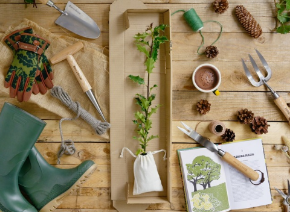
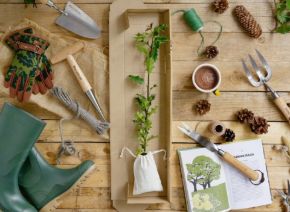
Supplied as 15-60cm cell-grown saplings.
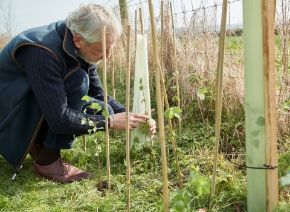
Can be planted all year round with proper care.
Value to wildlife
Yew fruits are an important food for birds and mammals like dormice.
Food plant of the satin beauty moth.
Soil and conditions
Tolerant to shade and severe weather.
Grown responsibly
UK sourced and grown (UKISG certified).
Reduces risk of spreading pests and diseases.
Delivered in 100% recyclable LDPE wrap.
Did you know?
The foliage and seed coat of yew contain highly toxic alkaloids, but the aril (the fleshy red part) is not toxic.
Juniper
(Juniperus communis)
One of only three conifer species native to the UK. Its berries are used to flavour gin and are popular in liqueurs and sauces.
Growth and size
Mature height: 8m.
Growth rate: 10-20cm per year.
Supplied as 20-30cm cell-grown saplings.
Can be planted all year round with proper care.
Value to wildlife
Provides dense cover for small nesting birds like goldcrest.
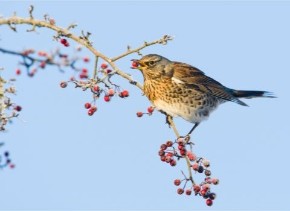
Birds including fieldfare, song thrush and mistle thrush will eat the berries.
Food plant of moth caterpillars including the juniper pug, juniper carpet and chestnut-coloured carpet.
Soil and conditions
Prefers full sun.
Grows in most well-drained soils.
Grown responsibly
UK sourced and grown (UKISG certified).
Reduces risk of spreading pests and diseases.
Delivered in 100% recyclable LDPE wrap.
Did you know?
Juniper berries have lots of traditional uses and were associated with love potions.
Holly
(Ilex aquifolium)
A much-loved evergreen with glossy, spiny leaves. In winter, female trees produce bright-red berries.
Growth and size
Mature height: up to 15m.
Growth rate: 10-15cm per year.
Supplied as 15-30cm cell-grown saplings.
Can be planted all year round with proper care.
Value to wildlife
Foliage provides year-round shelter for birds and insects.
Winter berries are an important food source for birds including thrushes.
Food plant for holly blue butterfly caterpillars.
Soil and conditions
Thrives in well-drained, fertile soils.
Tolerates sun and partial shade.
Can be grown as a tree, hedging or topiary.
Grown responsibly
UK sourced and grown (UKISG certified).
Reduces risk of spreading pests and diseases.
Delivered in 100% recyclable LDPE wrap.
Did you know?
Holly is one of Britain’s few native evergreens and has deep links with traditional folklore.